How to Vacuum Seal Meat for the Freezer
Vacuum sealing stops freezer burn and multiplies how long meat keeps. The right way to seal raw and cooked meat, and how long it lasts.
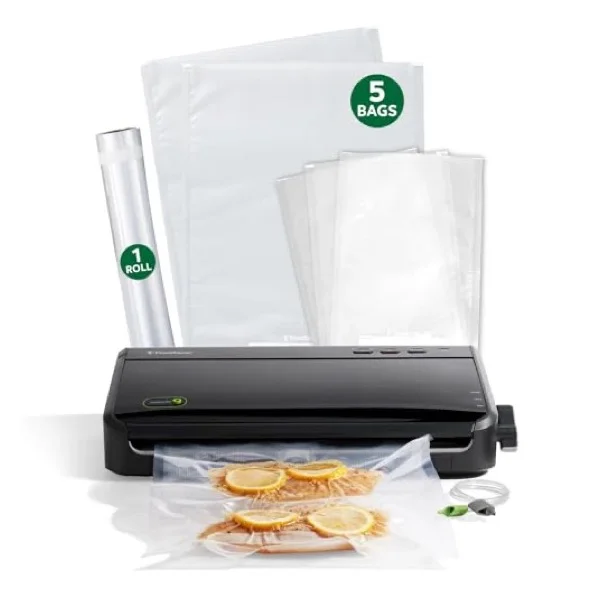
Vacuum sealing is the reason a chest freezer earns its keep. By pulling out the air, it stops the freezer burn that turns good meat dry and grey, and it stretches the quality window from months into years.
The method
- Dry the meat. Pat it dry with paper towel. Surface moisture is what gets sucked into the machine and weakens the seal.
- Leave headspace. Lay the meat flat and leave a few inches of bag above it so there is room for a clean seal.
- Use the right setting. On an external sealer, use the moist or manual mode so it stops the vacuum before juices reach the seal bar.
- Label and freeze fast. Note the cut and date, then freeze quickly so it passes through the range where ice crystals form.
The liquid problem
The most common frustration is the sealer pulling juices up into itself. Three fixes:
- Pat the meat dry first.
- Pre-freeze wet cuts on a tray for an hour, then seal the firm pieces.
- Use the moist and manual settings so you control when it seals.
How long it keeps
| Storage | Quality window |
|---|---|
| Regular freezer bag | 3 to 6 months (freezer burn) |
| Vacuum-sealed, frozen | 1 to 2 years or more |
| Vacuum-sealed, fridge only | Days, same as fresh |
Vacuum sealing extends the freezer window; it does not make meat shelf stable. Keep it cold. For the safety line rather than the quality line, follow USDA FoodKeeper guidance. Pair the sealer with good bags or rolls, which matter more than the machine's price.
Vacuum sealing is the single best thing you can do for meat headed to the freezer: dry it, leave headspace, seal on a moist setting, and freeze fast. It multiplies the quality window several times over by removing the air that causes freezer burn.
Frequently asked questions
How long does vacuum-sealed meat last in the freezer?
Kept solidly frozen, vacuum-sealed meat holds its quality for roughly one to two years or more, compared with a few months in an ordinary bag. That is a quality window, not a safety limit; frozen meat stays safe well beyond it, it just loses texture.
Can you vacuum seal raw meat?
Yes. Pat it dry, leave a few inches of headspace, and use the moist or manual setting so juices are not pulled into the machine. Freeze it promptly after sealing. Keep raw meat refrigerated or frozen; vacuum sealing is not a substitute for cold.
Why does my vacuum sealer suck up the juices?
Wet meat releases liquid that an external sealer pulls toward the seal bar. Pat the meat dry, freeze it for an hour first, or use the moist and manual settings so the machine seals before liquid reaches the strip.
Some links are affiliate links: if you buy through them we may earn a commission at no extra cost to you. It never changes our rankings. Full disclosure.