How to Vacuum Seal Liquids and Soups
Vacuum sealers suck liquids up before they seal. The freeze-first trick, moist mode, and the jar-sealer shortcut that all fix it.
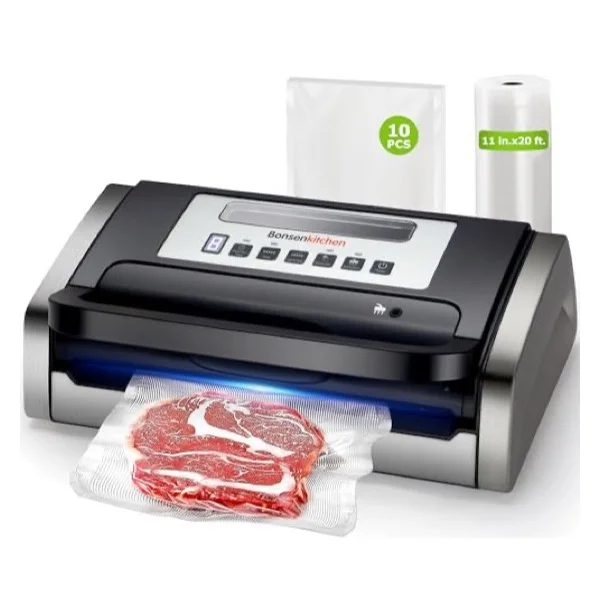
Vacuum sealing dry food is easy; liquids are where people make a mess. The problem is simple: a suction sealer keeps pulling until it seals, and a free liquid gets sucked up into the machine before the seal sets. Here are three ways around it.
Method 1: freeze it first (most reliable)
Freeze the soup, stock or marinade solid before you seal it. Either pour it into a container and freeze, then drop the frozen block into a vacuum bag, or lay the filled bag flat in the freezer until solid and seal it afterward. A frozen block behaves like dry food, so the sealer can pull a full vacuum without slurping liquid.
Method 2: moist mode and seal upright
Most vacuum sealers have a moist or pulse mode that seals sooner and more gently. Combine it with keeping the bag mouth upright, above the liquid line, and stop the vacuum manually just before liquid reaches the seal bar. This takes a little practice but works for smaller amounts.
Leave extra headspace for liquids. Fill liquid bags no more than halfway and leave plenty of empty bag above the liquid, so there's room to seal before it climbs to the seal bar.
Method 3: use a jar sealer
If you'll use the liquid within days or weeks, a jar sealer is the cleanest option. It vacuums a Mason jar of soup or stock with no freezing and no mess, and the jar goes straight in the fridge.
The verdict
For freezer storage, freeze liquids solid and then vacuum-seal, the most foolproof method. For smaller batches, use moist mode with the bag upright and extra headspace. For the fridge, a jar sealer skips the fuss entirely.
To vacuum-seal liquids, freeze them solid first and seal the block, which is the most reliable method for freezer storage. For small amounts, use your sealer's moist mode with the bag upright and extra headspace, and for short-term fridge storage, a jar sealer handles liquids with no freezing at all.
Frequently asked questions
How do you vacuum seal soup without a mess?
Freeze the liquid solid first, in a container or in the bag laid flat, then vacuum seal the frozen block. This stops the machine pulling liquid into the seal, and a moist setting helps for anything not fully frozen.
Can you vacuum seal liquids in a regular sealer?
Yes, with the freeze-first trick or by leaving extra bag length and using the moist setting. A chamber sealer handles liquids directly, but for a home external sealer, freezing is the reliable workaround.
Why does my vacuum sealer pull up liquid?
External sealers suck air out through the open end, and thin liquids get drawn along before the seal finishes. Freezing the liquid or chilling it thick keeps it in the bag until the seal is made.
Some links are affiliate links: if you buy through them we may earn a commission at no extra cost to you. It never changes our rankings. Full disclosure.