How to Vacuum Seal Cheese (and How Long It Lasts)
Vacuum sealing hard cheese slows the mould that ends an opened block. How to seal it for the fridge or freezer, and which cheeses take it well.
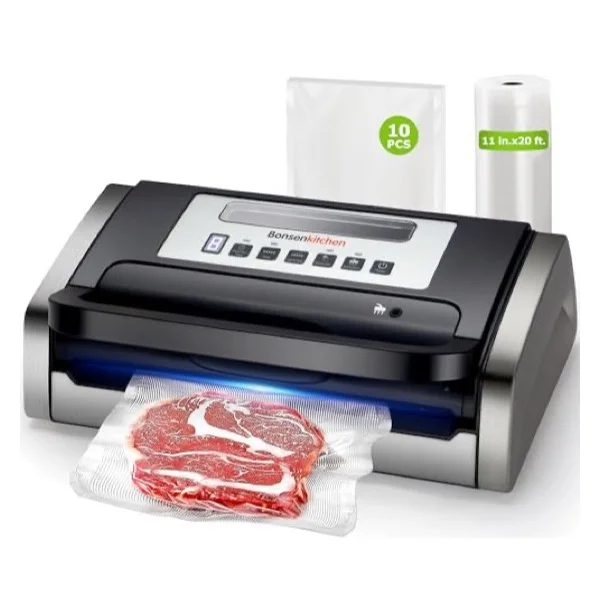
An opened block of good cheese is a race against mould and drying. Vacuum sealing slows both, which makes it one of the more useful things a sealer does in a normal kitchen.
Which cheeses take it well
The rule follows moisture:
- Seal these: hard and semi-hard cheeses like cheddar, gouda, parmesan and swiss. They are firm enough to survive the vacuum and benefit most.
- Do not seal these: soft and fresh cheeses like brie, mozzarella and cottage cheese. They crush under the vacuum, and their high moisture can favour anaerobic bacteria. Keep them in their original packaging.
How to seal it
- Cut the cheese into blocks you will use in one go, so you are not resealing the same piece repeatedly.
- Make sure the surface is dry and clean.
- Seal on a vacuum sealer with a firm but not crushing vacuum, and use quality bags.
- Label with the date and store cold.
Fridge or freezer?
| Goal | Where | Note |
|---|---|---|
| Best eating quality | Fridge | Hard cheese keeps months sealed |
| Long storage | Freezer | Often turns crumbly; good for cooking |
Vacuum-sealed hard cheese in the fridge easily reaches several months, versus a few weeks for an opened block. If a little surface mould appears on a hard cheese despite sealing, cutting well below it is generally handled the same way as normal; for the safety judgement, follow USDA guidance rather than a calendar.
For hard and semi-hard cheese, vacuum sealing is a genuine win: it slows mould and drying and stretches an opened block to months in the fridge. Skip it for soft and fresh cheeses, which crush and are better kept in their original packaging.
Frequently asked questions
How long does vacuum-sealed cheese last?
A vacuum-sealed hard cheese keeps in the fridge for several months, well beyond the few weeks an opened block usually lasts, because the seal slows the mould and drying that end it. In the freezer it keeps longer, though the texture can turn crumbly.
Can you vacuum seal soft cheese?
It is not recommended. Soft and fresh cheeses crush under the vacuum and their moisture can favour anaerobic bacteria. Keep brie, mozzarella and cottage cheese in their original packaging and eat them fresh instead.
Should you freeze or refrigerate vacuum-sealed cheese?
For eating quality, the fridge is better; hard cheese keeps for months sealed and cold. Freeze it only for long storage, accepting that hard cheese often becomes crumbly after thawing and is then best for cooking.
Some links are affiliate links: if you buy through them we may earn a commission at no extra cost to you. It never changes our rankings. Full disclosure.