What Vegetables Can You Ferment?
Almost any firm vegetable ferments well, from cabbage to carrots to garlic. The best ones, the tricky ones, and the method that works for all.
One of the nicest things about fermenting is how few rules there are about what to ferment. If a vegetable is firm and fresh, it will probably ferment well. Here's where to start.
The reliable fermenters
These are forgiving and delicious, and where every beginner should start:
- Cabbage for sauerkraut and kimchi, the classic starting point
- Cucumbers for sour, crunchy pickles (use small, firm pickling cucumbers)
- Carrots, radishes, beets and turnips, sliced or in sticks
- Cauliflower, green beans and peppers, alone or in mixes
- Garlic and ginger, on their own or to flavour other ferments
The trickier ones
Some vegetables are harder to get right and are better once you've fermented a few batches:
- Soft, high-water vegetables like tomatoes and courgettes can go mushy.
- Leafy greens wilt and are easy to leave floating above the brine, where they mould.
The method is the same for all
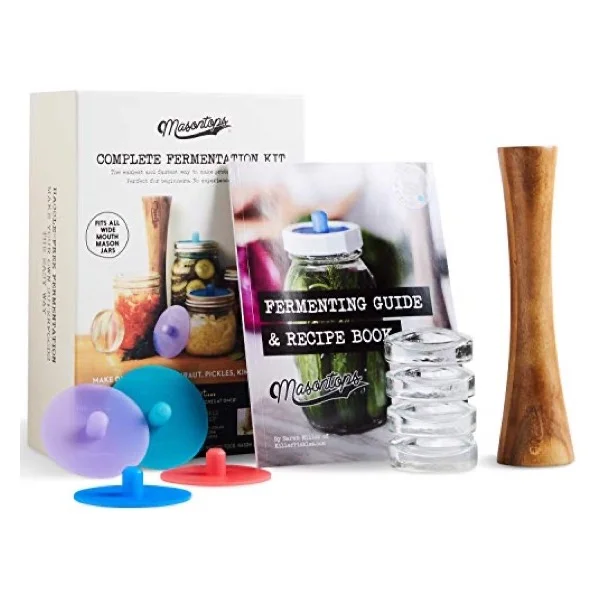
No matter the vegetable, the process doesn't change: use about 2% salt by weight, keep everything under the brine with a weight, fit a one-way airlock lid, and leave it at room temperature for one to four weeks. Our beginner's guide walks through it step by step, and a crock takes over once you're fermenting by the gallon.
Firm and fresh ferments best. Pick vegetables at their peak and firm to the touch. Tired, soft produce makes a soft, disappointing ferment.
The verdict
Start with cabbage, cucumbers and root vegetables, which are reliable and forgiving, and save soft or leafy vegetables for later. The salt, submersion and airlock stay the same for everything, so once you've fermented one vegetable, you can ferment almost any of them.
Firm vegetables like cabbage, cucumbers, carrots, radishes, beets, cauliflower, peppers and garlic all ferment reliably and are the place to start. Soft, watery vegetables and leafy greens are trickier. The method, salt, submersion, airlock and time, is identical for all of them.
Frequently asked questions
What vegetables ferment best?
Firm vegetables ferment most reliably: cabbage, cucumbers, carrots, radishes, beets, cauliflower, green beans, peppers, turnips and garlic. Their structure holds up in brine and gives a crisp result.
What vegetables should you not ferment?
Very soft, high-water vegetables like tomatoes or leafy greens tend to go mushy and are trickier, so beginners do better starting with firm vegetables. They can be fermented, but the texture suffers.
Can you ferment a mix of vegetables together?
Yes, mixed-vegetable ferments work well as long as everything stays under the brine at the right salt level. Cut the pieces to similar sizes so they ferment evenly.
Some links are affiliate links: if you buy through them we may earn a commission at no extra cost to you. It never changes our rankings. Full disclosure.