How to Store Honey Long-Term
Honey never really spoils. Why it lasts indefinitely, why it crystallises, and how to store it (hint: not the fridge).
Honey is the ultimate long-term storage food: archaeologists have found edible honey in ancient tombs. Here's why, and the two things to know for storing it.
Why honey never spoils
Three things make honey inhospitable to spoilage organisms: it's very low in moisture, it's acidic, and it contains natural antibacterial compounds (including hydrogen peroxide produced by an enzyme from the bees). Bacteria and mould simply can't grow in it. Sealed and kept dry, honey keeps essentially forever, the same principle that makes sugar and salt last for decades, taken to the extreme.
Crystallisation is normal
Over months to years, most honey turns from clear liquid to a grainy, opaque solid. This is crystallisation, not spoilage, the natural sugars forming crystals. It's completely fine to eat and easy to reverse:
- Stand the jar in warm (not boiling) water and stir gently until it liquefies again.
- Avoid the microwave, which overheats and can degrade the honey's flavour and beneficial compounds.
Crystallised honey is good honey. Graininess is a sign of raw, natural honey, not a sign it's gone off. Warm it gently and it returns to liquid.
How to store it
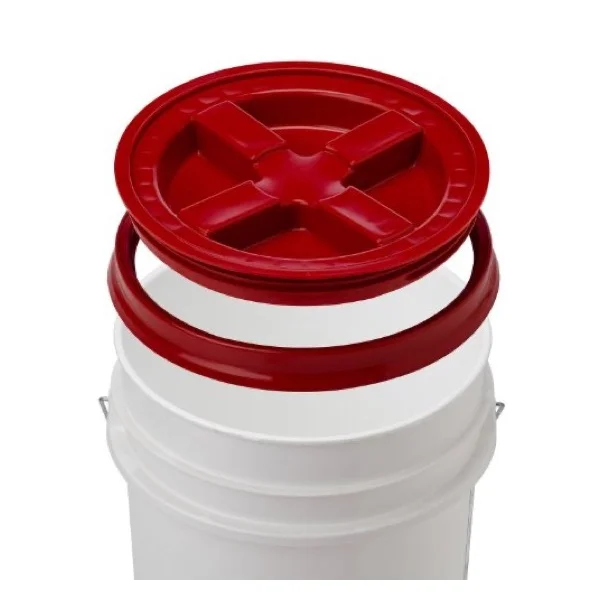
Keep honey in a sealed container at room temperature, away from moisture. A jar, a food-grade bucket for bulk, or its original container all work.
Not the fridge. Cold accelerates crystallisation, so refrigerating honey just makes it solidify faster. Room temperature and sealed is all it needs.
One safety note
Honey should never be given to infants under one year old, because of the small risk of infant botulism. That's a rule about who eats it, not about storage; for adults and older children, stored honey is safe indefinitely.
The verdict
Sealed honey keeps effectively forever at room temperature thanks to its low moisture, acidity and antibacterial nature. Expect it to crystallise, which is normal, and re-liquefy it in warm water. Keep it sealed and out of the fridge, and it's the easiest long-term food there is.
Honey lasts indefinitely when sealed and kept at room temperature, because its low moisture, acidity and antibacterial compounds stop spoilage. It crystallises naturally over time, which is harmless and reversible by warming the jar in warm water. Keep it sealed and out of the fridge, and never give honey to infants under one.
Frequently asked questions
Does honey go bad?
Not in any practical sense. Its low moisture, acidity and natural antibacterial compounds mean bacteria and mold cannot grow, so sealed honey at room temperature keeps indefinitely. Crystallised honey is still perfectly good.
Should you use oxygen absorbers with honey?
No. Honey is already low-moisture and needs no absorber, and adding one does nothing useful. Just keep it in a sealed, moisture-proof container at room temperature.
How do you fix crystallised honey?
Warm the jar gently in warm water and stir until the crystals dissolve; avoid boiling or the microwave, which can degrade flavour. Crystallisation is natural and not a sign the honey has spoiled.
Some links are affiliate links: if you buy through them we may earn a commission at no extra cost to you. It never changes our rankings. Full disclosure.