How to Store Food in a Small Apartment
No basement, no garage, no spare room. A realistic small-space plan for building a food reserve using vertical space and the right containers.
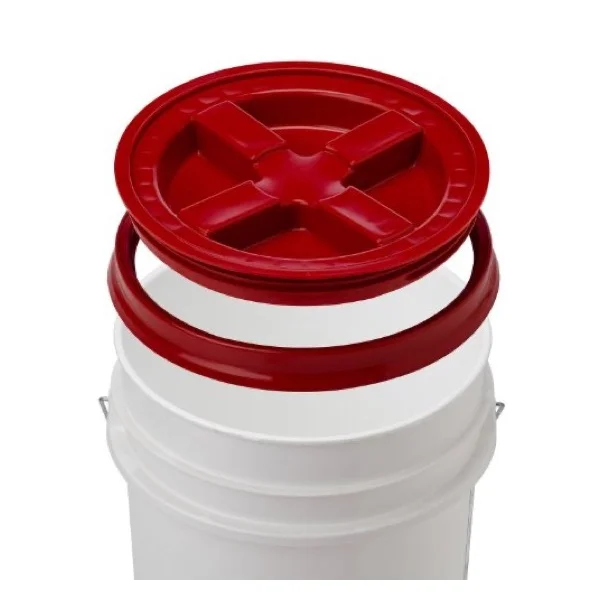
A studio or one-bedroom has no basement and no garage, but it has more storage than it looks. The trick is to store up, not out, and to be ruthless about what earns its space.
Prioritize calories per inch
When space is the constraint, dense staples win. These give the most stored calories for the smallest footprint:
- White rice and dried beans: the classic base, cheap and compact.
- Rolled oats and pasta: light but calorie-dense.
- Cooking oil: the single most calorie-dense thing you can store, though it keeps only a year or so.
Skip bulky, low-calorie items like plain pasta sauce or canned vegetables as your foundation. Our guide to what to stockpile first ranks the staples by value.
Find the hidden space
| Spot | What fits |
|---|---|
| Under the bed | Flat bins or vacuum bags of rice, beans, pasta |
| Top of cabinets and closets | Uniform stackable containers |
| A closet floor | One or two gamma-lid buckets |
| Behind or under a sofa | Low-profile bins |
Make things smaller and stackable
Two container habits multiply small-space capacity:
- Buy one uniform container size and stack it. Mismatched jars and bags waste the air between them; identical square containers tessellate.
- Vacuum-seal bulky soft goods. Pulling the air out of pasta, rice or dried fruit shrinks the volume and squares off the shape so it stacks flat under a bed.
A single food-grade bucket in a closet corner can double as a side-table base under a cloth, holding dozens of pounds of staples in a footprint smaller than a nightstand.
Mind the apartment climate
Apartments run warm, and warmth shortens shelf life. Keep food off exterior walls, away from the oven and radiators, and out of direct sun. A cool interior closet beats a sunny windowsill by years of shelf life.
You do not need a pantry to keep a real food reserve, you need vertical space and discipline about what earns its footprint. Calorie-dense staples in uniform stackable containers, vacuum-sealing to shrink the bulky items, and every inch of height used.
Frequently asked questions
How do you store food in a small apartment?
Store up rather than out, and prioritise calorie-dense staples that pack small: rice, beans, oats, pasta and oil. Uniform stackable containers and buckets that double as furniture bases use space efficiently.
What foods store best in a small space?
Dense, dry staples give the most calories per cubic foot: rice, beans, oats and pasta. Sealed in mylar or stackable containers, they store compactly and last for years without refrigeration.
Where can you store food in a small apartment?
Under beds, on top of cabinets, on upper closet shelves, and behind or beneath furniture. Buckets can serve as a nightstand base or seat, and vacuum sealing shrinks bulky items to fit tight spaces.
Some links are affiliate links: if you buy through them we may earn a commission at no extra cost to you. It never changes our rankings. Full disclosure.