How to Store Food in a Hot Garage (Without Ruining It)
Heat is the single biggest shelf-life killer. What survives a hot garage, what doesn't, and how to protect a stash where you have no cool room.
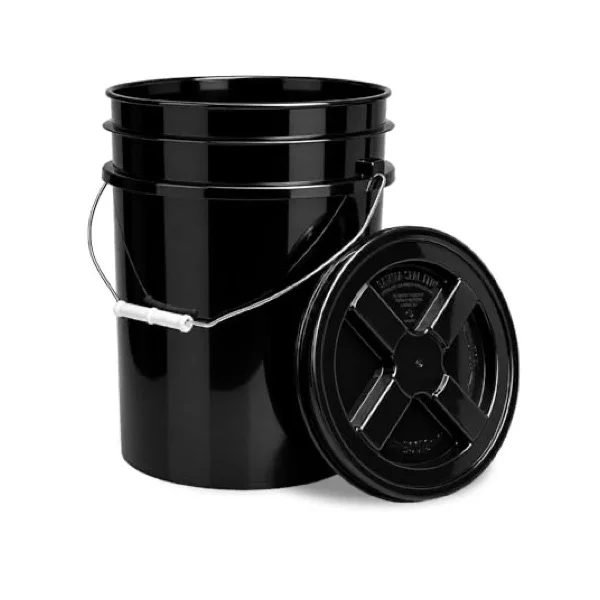
Every shelf-life number you have read assumes cool, dark, stable storage. A garage that hits 90 or 100 degrees in summer breaks that assumption, and heat is the single biggest life-shortener there is.
The rule of thumb
Food chemistry roughly doubles in speed for every 18 degrees Fahrenheit (10 Celsius) of extra warmth. A staple rated for 25 years in a 70-degree pantry can lose a large share of that in a garage that spends summers in the 90s. You cannot see it happening, which is what makes heat sneaky.
What tolerates a hot garage
Low-moisture, low-oil foods handle heat best, especially sealed against air and pests:
- White rice, dried beans, lentils, pasta and rolled oats in sealed mylar with an oxygen absorber.
- Sugar and salt, sealed dry, with no absorber.
- Honey, which is nearly immortal at any temperature.
What to keep out of the garage
- Oils and oily foods (nuts, brown rice, whole-wheat flour): heat speeds rancidity and no barrier stops it.
- Canned goods: heat degrades them faster and freeze-thaw cycles can break seals.
- Anything already opened, and most medicines.
Four ways to buffer the heat
- Get everything off the concrete floor and onto shelving; floors swing hardest with the weather.
- Use the coolest, most shaded wall, usually the north or interior-facing one.
- Store in sealed food-grade buckets; the mass of a full bucket evens out daily temperature spikes and keeps pests out.
- Rotate faster than the label. Treat a "10 year" staple in a hot garage as a few-year item and use the first in, first out habit.
| Garage summer temp | Treat long-term staples as |
|---|---|
| Under 75 F | Close to full rated life |
| 75 to 90 F | Cut the rated life meaningfully |
| Over 90 F | A few years at most; rotate hard |
If a food ever smells off, tastes rancid or shows any swelling in a can, throw it out. For the safety line rather than the quality line, follow USDA and NCHFP guidance, not a date on a bucket.
A hot garage is a compromise, not a disaster. Keep the heat-tolerant staples there in sealed buckets and rotate them faster; keep oils, canned goods and opened packs somewhere cooler. Temperature does more damage than any packaging choice can undo.
Frequently asked questions
Is it bad to store food in a hot garage?
Heat shortens shelf life sharply, roughly halving it for every 18 degrees Fahrenheit above about 70. Sealed, low-oil dry staples like white rice, beans and sugar tolerate it best; oily foods and canned goods degrade faster.
What foods survive a hot garage?
Low-oil dry staples sealed against moisture (white rice, beans, sugar, salt) hold up best. Avoid storing oily foods, whole-grain flour, canned goods and anything fatty in the heat, since they spoil or lose quality quickly.
How can I protect food stored in a hot garage?
Keep it off the floor, out of direct sun, and in sealed, moisture-proof containers, and store it against an interior wall where temperatures swing less. Better still, move the most heat-sensitive items indoors.
Some links are affiliate links: if you buy through them we may earn a commission at no extra cost to you. It never changes our rankings. Full disclosure.