How to Build a Food Storage Pantry (Step by Step)
A practical plan for building a food storage pantry: what to store first, how much per person, the right containers, and how to rotate it.
A food storage pantry is not a bunker you fill once; it is a habit you build in layers. Done gradually, it costs little and never goes stale, because you are eating and replacing it.
Layer 1: the short-term buffer
Start with one to four weeks of the food you already eat: canned goods, pasta, rice, snacks, whatever is normal in your kitchen. Store it in the kitchen and cook from it. This layer is about buying a little extra of the familiar, and it is the most useful food you own because you will actually eat it. Our what to stockpile first guide ranks the priorities.
Layer 2: the long-term base
Once the buffer is steady, extend the cheap, calorie-dense staples for the long haul:
- Rice, beans, oats, pasta, flour, sugar and salt.
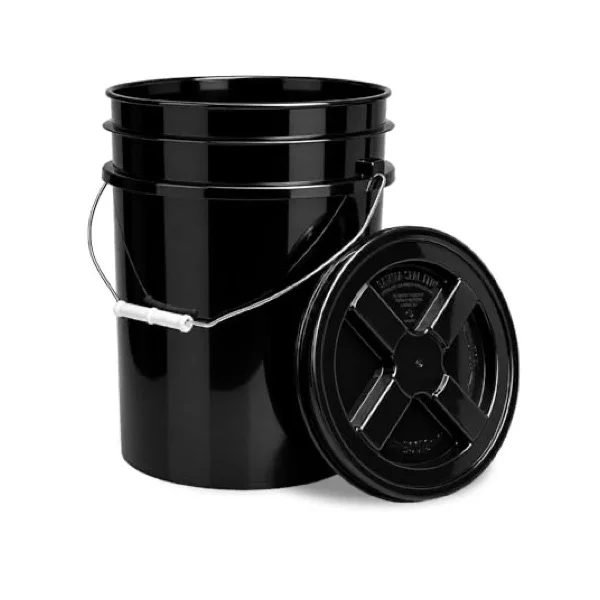
- Sealed in mylar with an oxygen absorber, inside food-grade buckets for pest and crush protection.
Work out quantities with the rice and beans per person guide; a common figure is around 300 pounds of staples per person per year.
Layer 3: the system
| Habit | Why |
|---|---|
| Buy a little extra each shop | Spreads the cost, avoids panic buying |
| Label everything with the date | Makes rotation possible |
| Rotate oldest first | Nothing expires unused |
| Store cool, dark and dry | Heat halves shelf life |
Do it on a budget
You do not need to spend a lot at once. Building on a budget means bulk staples, reused buckets, and multipack mylar and absorbers, added a bit at a time. The pantry that works is the one you build steadily and cook from, keeping it fresh through simple rotation.
A food storage pantry is built in layers, not in one big shop: a short-term buffer of what you already eat, then a long-term base of cheap, calorie-dense staples sealed properly. Buy a little at a time, label everything, and rotate oldest first. Consistency beats a single panic purchase.
Frequently asked questions
What should I store first in a food storage pantry?
Start with a few weeks of the foods you already eat and will actually use, then build out calorie-dense staples like rice, beans, oats, pasta and cooking oil for the long term. Beginning with familiar food keeps the pantry practical rather than a shelf of things you never touch.
How much food should I store per person?
A common planning figure is around 300 pounds of staples per person per year, weighted toward grains and legumes, but start smaller with a few weeks and build up. Our per-person guide breaks down the rice and beans math.
How do you keep a food storage pantry from going to waste?
Rotate oldest first: label everything with the date, shop from the front of the shelf, and restock at the back. A pantry you actually cook from stays fresh, while one you never open slowly expires.
Some links are affiliate links: if you buy through them we may earn a commission at no extra cost to you. It never changes our rankings. Full disclosure.